


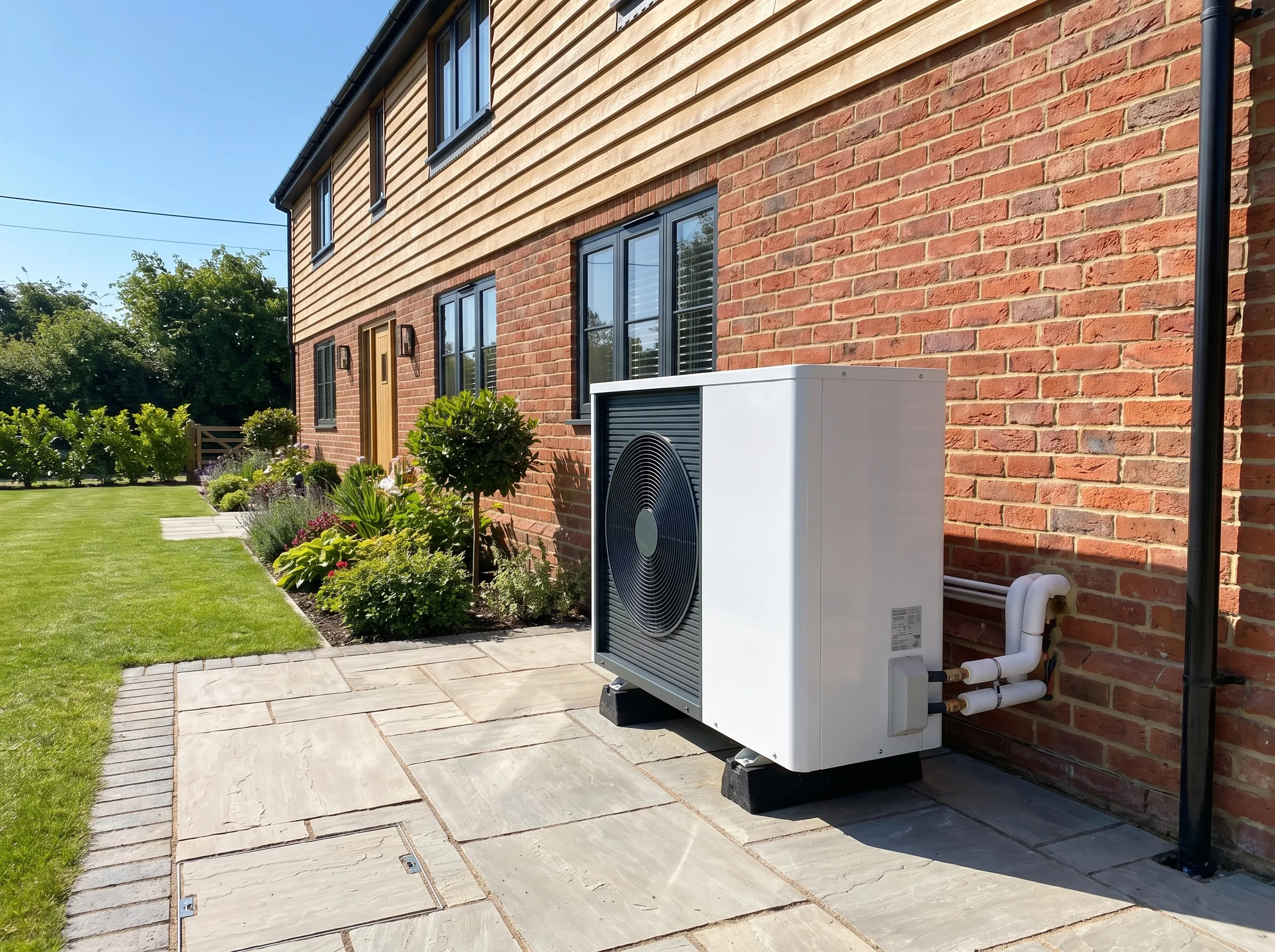
Heat Pump Installation: Complete Guide
Switching to a heat pump installation is one of the smartest decisions a homeowner can make today - reducing energy bills, cutting carbon emissions, and future-proofing a property all at once. Whether you are planning a full home refurbishment or a standalone upgrade, understanding the process in detail is essential before you commit.
What This Guide Covers
This resource walks you through every stage of heat pump installation: system types, planning permissions, costs, timelines, and integration with underfloor heating and existing plumbing. Smutek Construction LTD, a general contractor working in Hammersmith since 2017, covers projects across a fifty-kilometre radius and contributed practical insights throughout.
Key Topics Addressed Here
A successful heat pump installation requires coordination across multiple trades. This guide covers:
- How to assess whether your home is a suitable candidate for a heat pump system.
- Which building regulations and planning requirements apply to your specific project.
- How to select a contractor with proven experience in complex renovation work.
What Is Heat Pump Installation and How Does It Work?
Heat pumps do not generate heat - they move it. By extracting thermal energy from the air, ground, or water outside a property and transferring it indoors, they deliver warmth far more efficiently than conventional boilers. This is the core principle behind heat pump installation: leveraging ambient energy to heat or cool a building at a fraction of the running cost.
Connecting to Existing Infrastructure
Professional heat pump installation goes beyond placing a unit outside your home. It requires careful integration with your property's existing systems:
- The heat pump must be connected to your underfloor heating or radiator circuit for efficient heat distribution.
- Electrical supply upgrades are often necessary to power the compressor reliably.
- The system must be commissioned and calibrated to match your property's specific heat demand.
Why Experience Makes the Difference
In areas like Hammersmith, where properties vary widely in age and construction, experienced contractors such as Smutek Construction LTD ensure every system meets building regulations and performs at its best from day one.
Types of Heat Pumps: Which System Suits Your Home?
Not every home suits the same system, and choosing the right type before committing to heat pump installation saves money, disruption, and long-term regret.
Air Source, Ground Source, Water Source
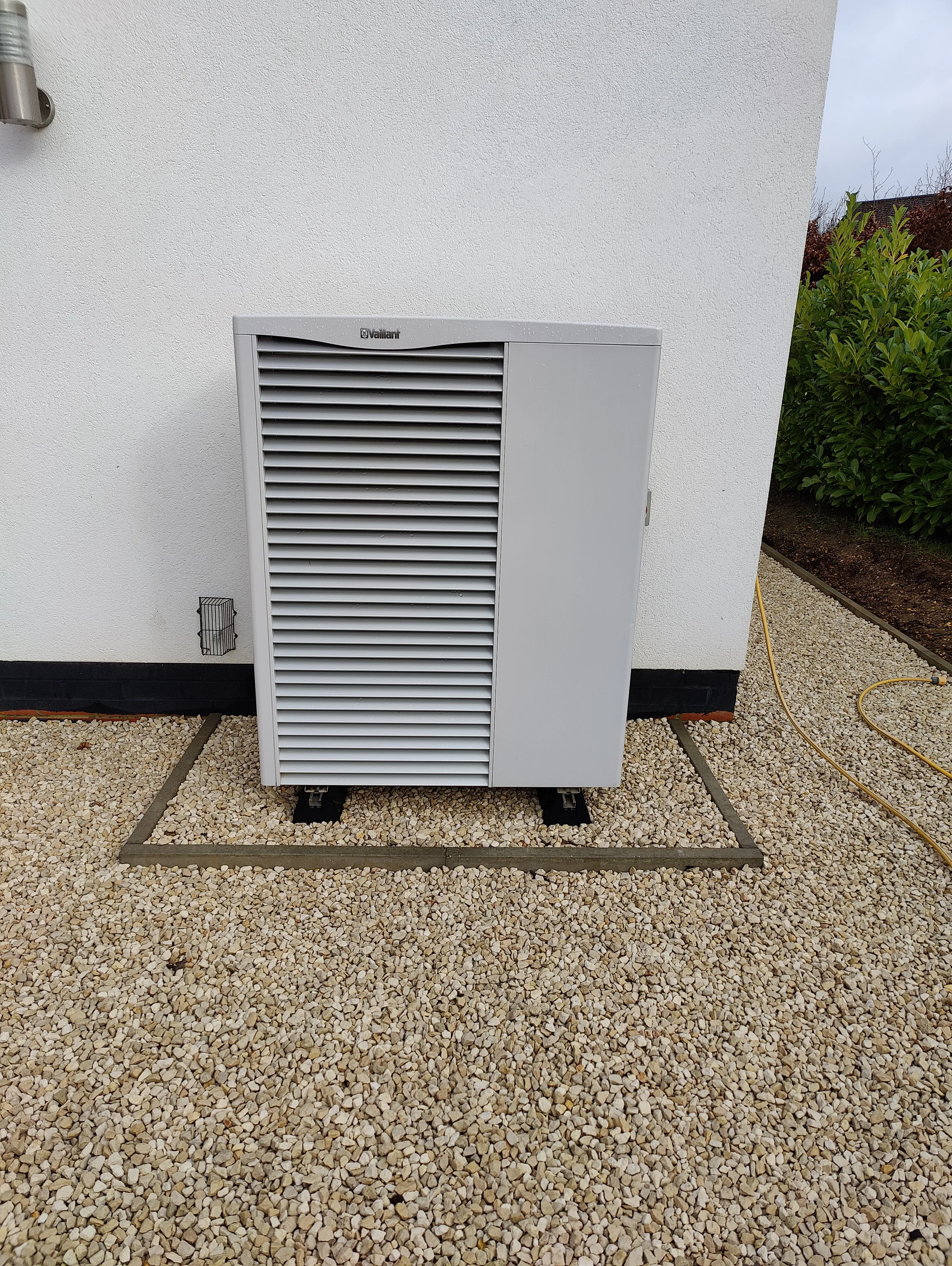
Air source heat pumps extract warmth from outdoor air and require minimal space - ideal for urban properties with limited gardens. Ground source systems use buried pipe loops, delivering higher efficiency but demanding significant excavation. Water source heat pumps, the least common option, work where a nearby lake, river, or borehole is accessible.
Matching System to Your Property
The decision hinges on three factors:
- Air source suits most suburban homes with at least one external wall and modest outdoor space.
- Ground source demands a large garden but rewards homeowners with lower running costs over time.
- Water source heat pump installation suits rural properties with natural water nearby.
Budget matters too - ground source heat pump installation typically costs more upfront but delivers superior efficiency in colder climates.
Key Benefits of Heat Pump Installation for Homeowners
Investing in heat pump installation pays off in ways that go far beyond the first heating season. Heat pumps deliver two to four units of heat for every unit of electricity consumed - making them significantly more efficient than traditional gas boilers and an increasingly popular upgrade across Hammersmith and the surrounding area.
Lower Bills, Less Carbon
By switching to heat pump installation, households can cut carbon emissions by up to 70%, directly supporting the UK's net-zero targets. Lower running costs follow naturally from that efficiency gain, with many homeowners seeing substantial reductions in annual energy bills - especially when the system integrates with underfloor heating as part of a wider home refurbishment.
Year-Round Comfort, One System
Unlike boilers, heat pumps both heat and cool - a genuine year-round asset. One system handles winter warmth and summer comfort, removing the need for separate air conditioning and delivering consistent, controllable climate in every room, every season.
Is Your Property Ready for Heat Pump Installation?
Not every home is a natural fit for heat pump installation - and identifying that early saves time, money, and frustration. Three core factors determine whether your property will work efficiently with a heat pump system.
Start With Insulation
Heat pumps operate at lower flow temperatures than conventional boilers, so a poorly insulated home bleeds warmth before it ever circulates properly. Walls, loft, and floor insulation must be up to standard before anything else.
Space, Radiators, and Supply
Successful heat pump installation also depends on a few practical essentials:
- Your home has sufficient outdoor space for an external unit - typically a clear, accessible area.
- Radiators are large enough to function at lower water temperatures, or underfloor heating is already in place.
- Your electrical supply can accommodate the additional demand without costly upgrades.
Smutek Construction LTD has assessed these exact conditions for homeowners across Hammersmith since 2017, combining technical knowledge with a thorough pre-installation survey that leaves nothing to guesswork.
Building Regulations and Requirements for Heat Pump Installation
Most heat pump installation projects in England and Wales benefit from permitted development rights, meaning planning permission is often unnecessary - provided you meet specific conditions. The unit must be sited away from highways, not mounted on a wall or roof facing a road, and only one heat pump is allowed per property. Listed buildings and conservation areas are exempt from these rights and require formal planning consent.
MCS Certification Matters
For a heat pump installation to qualify for government incentive schemes such as the Boiler Upgrade Scheme, your installer must hold MCS (Microgeneration Certification Scheme) accreditation. This guarantees that both equipment and workmanship meet recognised industry standards, protecting your investment and keeping you eligible for grant funding.
Building Regulations Compliance
Beyond planning, heat pump installation must comply with Part L and Part P of Building Regulations, addressing energy efficiency and electrical safety respectively. A qualified contractor such as Smutek Construction LTD manages all necessary notifications and sign-off documentation, ensuring your system is fully compliant from day one.
Step-by-Step Heat Pump Installation Process Explained
Professional heat pump installation follows a clearly defined sequence that protects your investment and ensures optimal performance from the outset. It begins with a detailed site survey - an engineer assesses insulation levels, hot water demand, and available outdoor space to calculate heat loss accurately and specify the right system for your property.
Equipment Delivery and Fitting
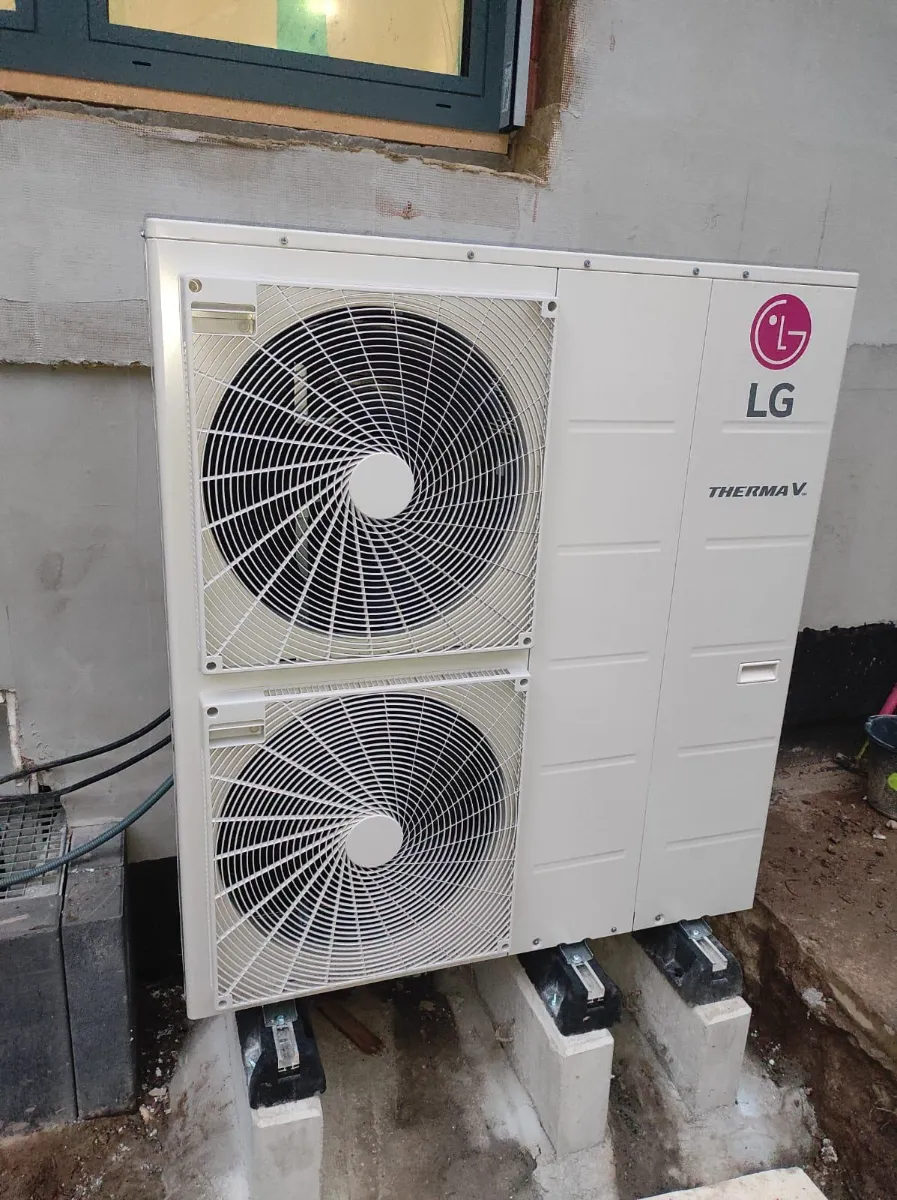
Once specifications are confirmed, equipment is delivered and positioned on site. The outdoor unit is mounted on a stable base, refrigerant pipework is routed to the indoor cylinder, and electrical connections are completed at the consumer unit. At Smutek Construction LTD, this phase is coordinated seamlessly alongside any underfloor heating or plumbing works, minimising disruption to your home.
Commissioning and Handover
The final stage of heat pump installation involves pressurising the refrigerant circuit, calibrating controls, and running full performance tests. Engineers then walk you through the system settings, ensuring you can operate everything confidently and efficiently from day one.
Integrating Heat Pump Installation with Underfloor Heating
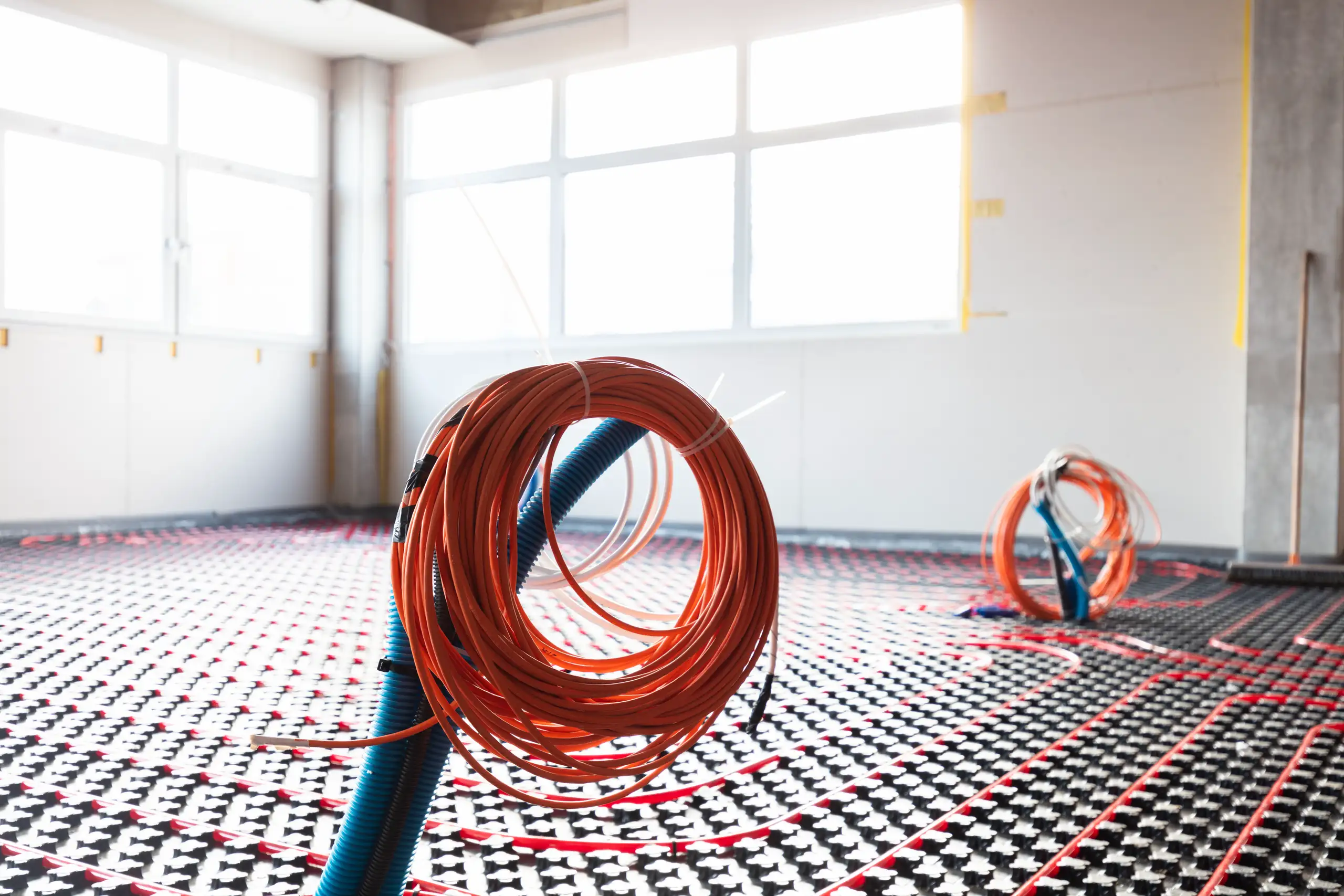
Heat pumps operate most efficiently at lower flow temperatures - precisely where underfloor heating excels. Unlike traditional radiators, which demand water heated above 70°C, underfloor systems distribute warmth evenly across large surface areas at just 35-45°C. This makes combining both technologies a genuinely powerful pairing, not simply a trend.
Why Low Temperatures Win
When heat pump installation is planned alongside underfloor heating from the outset, the system runs at its optimal coefficient of performance (COP), translating directly into lower energy consumption and reduced monthly bills. Retrofitting the two systems separately rarely delivers the same efficiency gains.
One Project, Full Integration
Smutek Construction LTD, serving Hammersmith and the surrounding fifty-kilometre radius since 2017, coordinates heat pump installation with underfloor heating, electrical work, and plumbing within a single renovation project. This joined-up approach eliminates costly rework, ensures full technical compatibility, and delivers consistent, room-by-room comfort from day one.
Heat Pump Installation Costs: A Realistic Breakdown
The total cost of heat pump installation typically ranges from £10,000 to £20,000, depending on system type, property size, and groundwork complexity. Air source units generally cost between £8,000 and £13,000 for equipment alone, while ground source systems can exceed £20,000 before a single hour of labour is counted.
What Drives the Final Price
Labour, groundwork, pipework, and smart controls all build on the base unit cost. In properties undergoing broader renovation - like those Smutek Construction LTD coordinates across Hammersmith - integrating heat pumps alongside underfloor heating from the outset reduces overall installation costs significantly, since trades share access and groundwork phases.
Government Grants Worth Knowing
The Boiler Upgrade Scheme currently offers £7,500 toward heat pump installation for eligible homeowners in England and Wales, substantially cutting upfront expenditure. Pairing this grant with a full property refurbishment makes the investment far more manageable - and long-term energy savings start from day one.
How Heat Pump Installation Adds Value to Your Property
Energy-efficient upgrades are a measurable competitive advantage in today's property market. Professional heat pump installation directly improves your home's Energy Performance Certificate (EPC) rating - a factor buyers and mortgage lenders now scrutinise closely. UK research consistently shows that higher-rated homes command price premiums of up to 14% over lower-rated equivalents.
What Buyers Gain Immediately
A completed heat pump installation signals lower running costs, reduced carbon emissions, and compliance with tightening energy standards - all factors that shorten time on market:
- Higher EPC ratings (typically A or B) unlock green mortgage products with preferential interest rates.
- Lower energy bills provide a tangible, independently verified selling point.
- Future-proofed heating removes buyer concerns about imminent boiler replacement costs.
Long-Term Return on Investment
Contractors experienced with large-scale refurbishments, such as Smutek Construction LTD operating across Hammersmith since 2017, integrate heat pump systems within broader renovation projects - maximising both system efficiency and overall property uplift with minimal disruption.

Common Mistakes to Avoid During Heat Pump Installation
Even a high-quality system can underperform when installation errors creep in. The most damaging mistake is selecting an undersized unit - a heat pump that cannot meet the property's heat demand will run continuously, driving up energy bills and accelerating wear. Incorrect pipework design compounds the problem, causing pressure imbalances that reduce efficiency and shorten equipment lifespan.
Why Insulation Cannot Be Overlooked
Poor building insulation is another critical oversight. Installing a heat pump into a poorly insulated home is like heating a leaking bucket - the system works harder for diminishing returns. Experienced contractors assess insulation levels before committing to any specification.
How Professionals Get It Right
Proper heat pump installation demands thorough site surveys, accurate heat loss calculations, and precise pipework planning. At Smutek Construction LTD, the team's extensive background in full-scale home refurbishments - active since 2017 across Hammersmith and a fifty-kilometre radius - means each heat pump installation is planned as part of a coordinated whole, preventing costly errors from the outset.
How to Choose the Right Heat Pump Installation Contractor
Not every contractor is qualified to handle heat pump installation - and choosing the wrong one is a costly mistake. The right professional brings more than tools to the job; they bring accreditation, experience, and a track record you can verify.
Credentials and Accreditation Matter
MCS (Microgeneration Certification Scheme) accreditation is non-negotiable - only certified contractors can sign off work that qualifies for government incentives. Look for a company like Smutek Construction LTD, founded in 2017 and operating across Hammersmith and a fifty-kilometre radius, with proven experience integrating heat pump installation within larger renovation projects.
What to Check Before Signing
- MCS accreditation and relevant industry certifications.
- Experience with projects similar in scope and property type.
- Clear, itemised quotes with no hidden costs.
- References or case studies from completed heat pump installation work.
Heat Pump Installation as Part of a Full Home Refurbishment
Tackling a full home refurbishment is the ideal moment to schedule heat pump installation. When electricians, plumbers, and structural teams are already on site, integrating a new heating system costs far less and causes far less disruption than returning months later to retrofit one.
Why Timing Changes Everything
Coordinating heat pump installation alongside underfloor heating, electrical upgrades, and structural work from day one ensures every system is designed to operate together. Smutek Construction LTD, serving Hammersmith and a fifty-kilometre radius since 2017, manages exactly this kind of multi-trade project - so nothing needs to be corrected after the fact.
What Gets Aligned in Practice
A well-planned refurbishment sequences:
- Underfloor heating loops laid before screed is poured, ready to connect to the heat pump from day one.
- Electrical supply sized correctly during rewiring, preventing costly panel upgrades later.
- Pipework routed through open walls, reducing both labour time and finishing costs.
Najczęściej zadawane pytania
How do heat pumps differ from conventional boilers in terms of operation?
Heat pumps do not generate heat like traditional boilers. Instead, they extract thermal energy from the air, ground, or water outside a property and transfer it indoors. This principle of moving ambient energy makes heat pumps significantly more efficient than conventional boilers, delivering warmth at a fraction of the running cost.
What are the three main types of heat pump systems, and which is most suitable for urban homes?
The three main types are air source, ground source, and water source heat pumps. Air source heat pumps are ideal for urban properties because they extract warmth from outdoor air and require minimal space. Ground source systems use buried pipe loops and offer higher efficiency but require significant excavation. Water source heat pumps are the least common and work only where a nearby lake, river, or borehole is accessible.
What does professional heat pump installation involve beyond simply placing the unit outside the home?
Professional heat pump installation requires careful integration with your property's existing systems. This includes connecting the heat pump to your underfloor heating or radiator circuit for efficient heat distribution, upgrading your electrical supply to power the compressor reliably, and commissioning and calibrating the system to match your property's specific heat demand. Experienced contractors ensure every system meets building regulations and performs optimally from the beginning.