


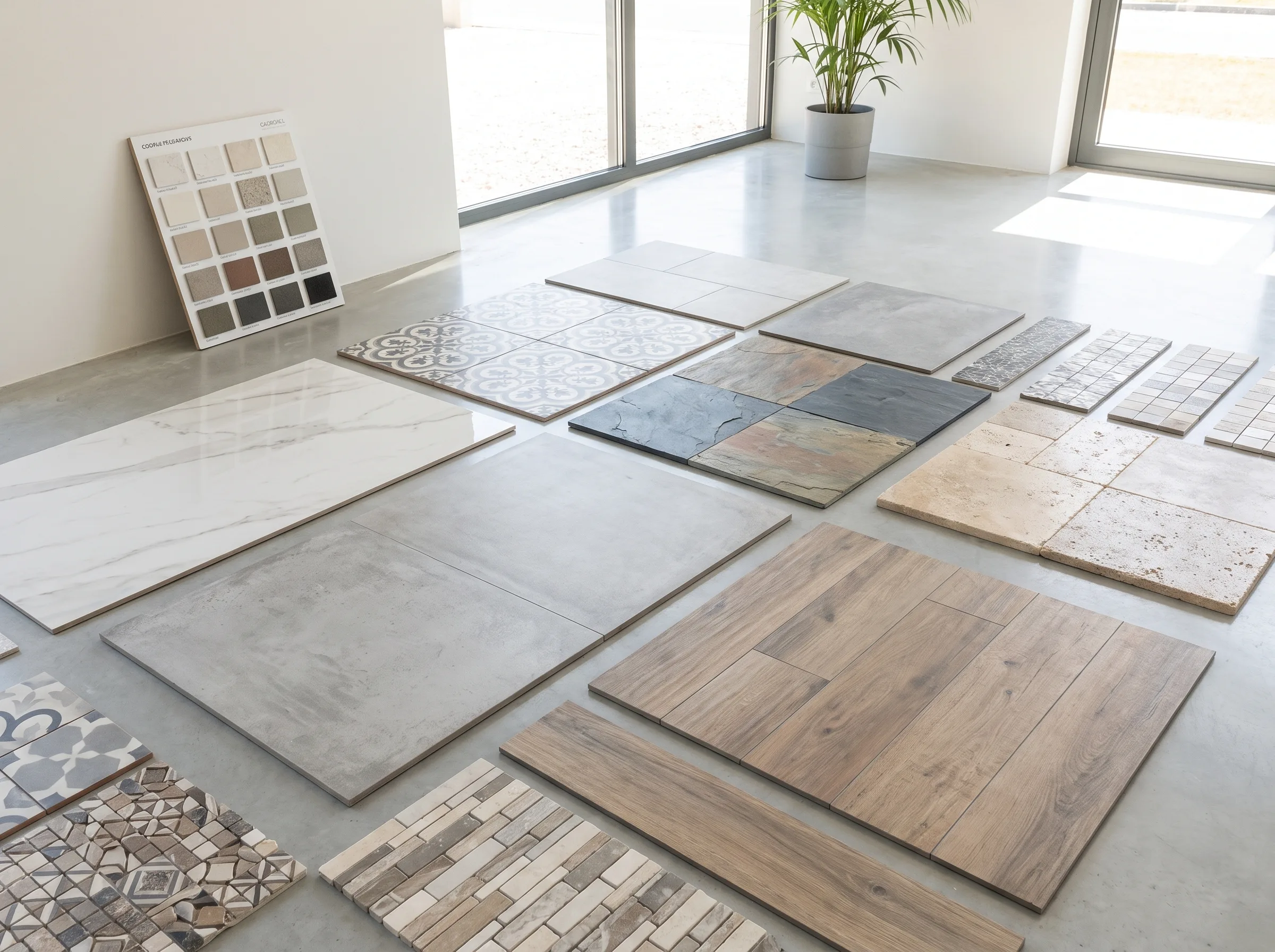
Tile Flooring Types: A Complete Selection Guide
Choosing the right floor can transform a room - or undermine an entire refurbishment. With dozens of materials, finishes, and formats on the market, navigating tile flooring types without a clear framework leads to costly mistakes and design compromises that homeowners regret for years.
One Guide, Every Decision
This guide covers the full spectrum of tile flooring types - from affordable ceramics to premium natural stone - so you can match materials to rooms, budgets, and lifestyles with confidence. Whether you are renovating a single bathroom or planning a whole-house refurbishment, understanding your options upfront is the foundation of a successful project.
What Experienced Contractors Know
Professionals working on residential refurbishments, such as the team at Smutek Construction LTD, evaluate tile flooring types not only for aesthetics but for substrate compatibility, moisture exposure, and long-term durability. This guide distils that hands-on expertise into a practical, room-by-room selection tool built specifically for homeowners.
Why Choosing the Right Tile Flooring Types Matters for Your Home
The wrong tile can cost you far more than you bargained for. A glossy ceramic laid in a high-traffic hallway wears unevenly within years; a porous natural stone installed in a bathroom without proper waterproofing invites moisture damage behind your walls. Understanding the full spectrum of tile flooring types before you commit to a purchase prevents these avoidable - and expensive - missteps.
When Aesthetics Work Against You
Aesthetic mismatches are equally damaging. A large-format tile in a narrow corridor visually overwhelms the space, while a warm-toned stone clashing with cool cabinetry can undermine an entire refurbishment. Informed selection means matching finish, size, and colour to both the room's function and its design intent.
The Real Cost of a Wrong Choice
Replacing incorrectly chosen flooring means stripping substrates, re-waterproofing, and re-tiling - costs that dwarf the original installation. Experienced contractors evaluate all relevant tile flooring types against your specific conditions, ensuring the choice you make today genuinely serves your home for decades.
Ceramic Tiles: The Most Accessible of All Tile Flooring Types
When comparing tile flooring types, ceramic consistently stands out as the most budget-friendly option without compromising on versatility. Made from natural clay fired at lower temperatures than porcelain, ceramic tiles offer a wide range of colours, patterns, and sizes - making them a practical first choice for homeowners managing renovation costs.
Easy to Cut and Install
Ceramic's softer composition means it cuts cleanly with standard tile tools, reducing both labour time and installation costs. For contractors like Smutek Construction LTD, this translates into efficient project timelines without sacrificing quality. Whether laying intricate patterns or straightforward grids, ceramic responds well to precise craftsmanship.
Best Rooms for Ceramic
Among all tile flooring types, ceramic performs best in lower-traffic spaces - bedrooms, living rooms, and hallways. Its moderate hardness suits areas where heavy impact isn't a daily concern, offering lasting beauty where it matters most.
Porcelain Tiles: Durability Meets Design Versatility
Among all tile flooring types, porcelain stands out for one reason above all others: density. Fired at higher temperatures than ceramic, porcelain achieves a water absorption rate below 0.5%-making it virtually impervious to moisture, stains, and heavy foot traffic. That combination of resilience and refinement explains why it dominates modern residential installations.
Finishes That Fit Any Room
Porcelain's manufacturing process allows it to convincingly replicate wood, marble, concrete, and natural stone-at a fraction of the maintenance cost. When comparing tile flooring types for kitchens, bathrooms, or hallways, porcelain delivers across every design brief:
- Glossy finishes amplify light in smaller bathrooms, creating a sense of spacious elegance.
- Matte and textured surfaces provide slip resistance in high-traffic hallways and wet zones.
- Large-format porcelain slabs minimise grout lines, producing a seamless, contemporary aesthetic.
A Long-Term Investment
Few tile flooring types match porcelain's lifespan-properly installed, it can last decades without significant wear. For homeowners prioritising value alongside aesthetics, it remains the benchmark choice.
Natural Stone Tile Flooring Types: Marble, Slate, and Limestone Compared
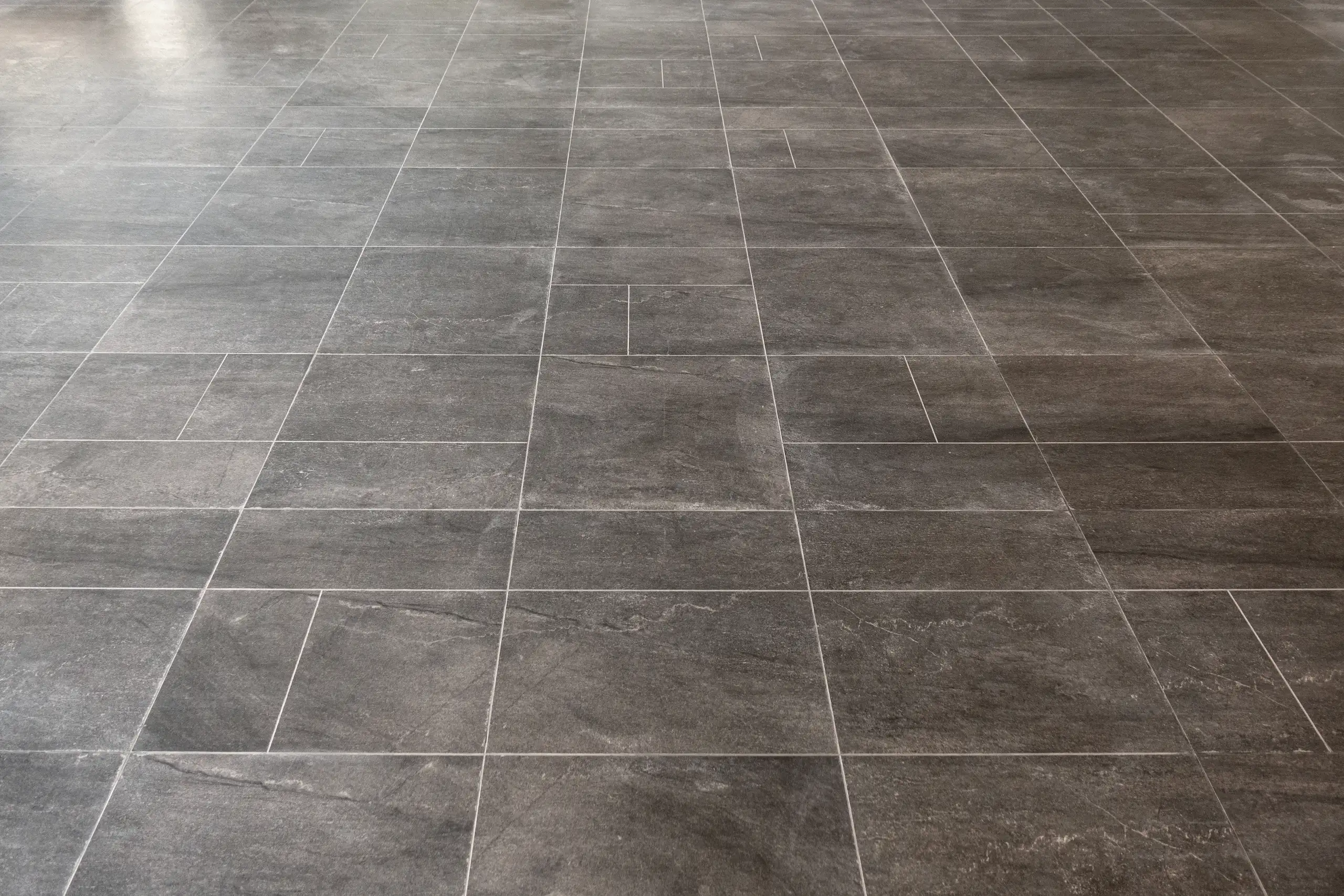
Among the premium tile flooring types available for residential projects, natural stone stands apart for its raw beauty and individuality. No two marble, slate, or limestone tiles look identical - a quality that adds genuine character to any interior but demands careful planning before installation.
Marble - Luxury With a Cost
Marble delivers unrivalled visual elegance through its distinctive veining and polished sheen. However, its high porosity makes it susceptible to staining and acid etching, requiring regular sealing and careful cleaning routines. Slip resistance on polished surfaces is low, making honed finishes a safer choice for bathroom floors.
Slate and Limestone: Practical Alternatives
Slate offers naturally textured surfaces with excellent slip resistance and relatively low upkeep. Limestone sits between marble and slate - softer, moderately porous, and warmer in tone. Both represent more forgiving tile flooring types for high-traffic residential areas, though professional sealing remains essential for lasting performance in either case.
Engineered and Composite Tile Options Worth Considering
Not every homeowner wants the unpredictability of natural stone or the limitations of basic ceramics. Engineered and composite tiles sit squarely between these categories within the broader range of tile flooring types - delivering the visual warmth of marble or slate without the demanding upkeep or inconsistent patterning.
What Engineered Tiles Offer
Engineered stone tiles are manufactured under controlled conditions, blending natural aggregates with resins to produce surfaces that are denser, more uniform, and significantly easier to maintain than their natural counterparts. Among all tile flooring types, these options appeal particularly to homeowners who prioritise both aesthetics and practicality.
Key Practical Advantages
- Engineered tiles resist staining more effectively than natural stone, making them ideal for kitchens and family bathrooms.
- Composite options come in consistent sizing, simplifying layout planning and reducing installation waste.
- Their enhanced dimensional stability makes them well suited for underfloor heating systems.
For refurbishment projects where budget and performance both matter, these tile flooring types represent a genuinely compelling choice.
How to Match Tile Flooring Types to Each Room in Your Home
Not every tile suits every room. Matching tile flooring types to their environment comes down to three core properties: slip resistance, water absorption, and surface hardness. Getting this wrong leads to premature wear, safety hazards, or costly replacements - all avoidable with the right selection from the start.
Wet Rooms Demand Low Absorption
Bathrooms and kitchens require tiles with minimal water absorption and a textured or matte finish for reliable traction. Porcelain with a PEI rating of 4 or higher handles heavy moisture and daily foot traffic equally well - a combination rarely matched by other tile flooring types.
Living Areas and High-Traffic Zones
Hallways and open-plan living spaces call for hard-wearing ceramic or porcelain tile flooring types with a smooth, easy-clean surface. For bedrooms, larger-format tiles in warmer tones deliver a comfortable, cohesive feel without sacrificing the long-term durability that makes tile worth choosing in the first place.

Tile Sizes, Finishes, and Patterns: Designing With Confidence
Choosing the right dimensions, surface finish, and laying pattern is just as decisive as selecting the material itself. Among all tile flooring types, those installed in living areas and open-plan kitchens benefit most from larger formats-600×600 mm or 900×900 mm slabs reduce grout lines and visually expand the floor plane, making compact rooms feel considerably more generous.
Finish Affects More Than Looks
Surface finish shapes both the atmosphere and practicality of a space. Glossy tiles reflect light and amplify brightness, while matte and textured finishes absorb it, creating warmth and concealing everyday wear. Within the broader family of tile flooring types, a polished porcelain slab reads very differently from a honed stone equivalent-even at identical dimensions.
Patterns That Transform a Space
Laying pattern is the designer's quiet tool:
- Herringbone adds directional energy, drawing the eye along the room's longest axis.
- Staggered brick bond softens rigid geometry and suits elongated spaces naturally.
- Large-format straight lay maximises visual calm and works across virtually all tile flooring types.
Moisture Resistance and Maintenance Across Different Tile Flooring Types
Not all tile flooring types handle moisture equally - and that difference determines where each one belongs in your home. Water absorption is classified from Group 1 (under 0.5%) to Group 5 (over 7%). Porcelain sits firmly in Group 1, making it virtually impervious to water and ideal for bathrooms, kitchens, and wet rooms. Ceramic typically falls in Groups 3-4, suitable for moderate-moisture areas.
PEI Ratings and Surface Durability
The PEI (Porcelain Enamel Institute) scale rates glaze hardness from 1 to 5. Class 1 suits walls only; Class 4-5 handles heavy foot traffic. Matching the correct class to each room prevents premature wear and keeps your floor looking sharp for decades.
Sealing and Cleaning Routines
Natural stone tile flooring types - marble, slate, limestone - require periodic sealing every one to two years to prevent staining and moisture ingress. Porcelain and glazed ceramic need no sealing; a pH-neutral cleaner applied weekly suffices. Grout lines, however, benefit from annual sealing regardless of tile material.
Cost Comparison: Budgeting for Your Tile Flooring Project
Budget planning starts before a single tile is laid. Understanding the full cost picture across different tile flooring types helps you avoid mid-project surprises and allocate spending where it genuinely counts.
Material Costs Per Square Metre
Ceramic tiles are the most accessible entry point, typically ranging from £15-£40/m². Porcelain commands a premium at £25-£70/m², rewarding you with superior density and lasting durability. Natural stone - marble, slate, limestone - sits at £50-£150/m² or beyond, reflecting its unique character and quarrying costs.
Installation and Long-Term Maintenance
Different tile flooring types carry very different labour requirements. Natural stone demands specialist substrate preparation and waterproofing, pushing installation costs considerably higher. Ceramic and porcelain are more forgiving, reducing both labour time and risk. Long-term, the equation partly reverses - stone requires periodic sealing, while ceramic needs little beyond routine cleaning. Selecting the right tile flooring types from the outset remains the single most effective budget decision you can make.
Substrate Preparation and Installation Requirements by Tile Type
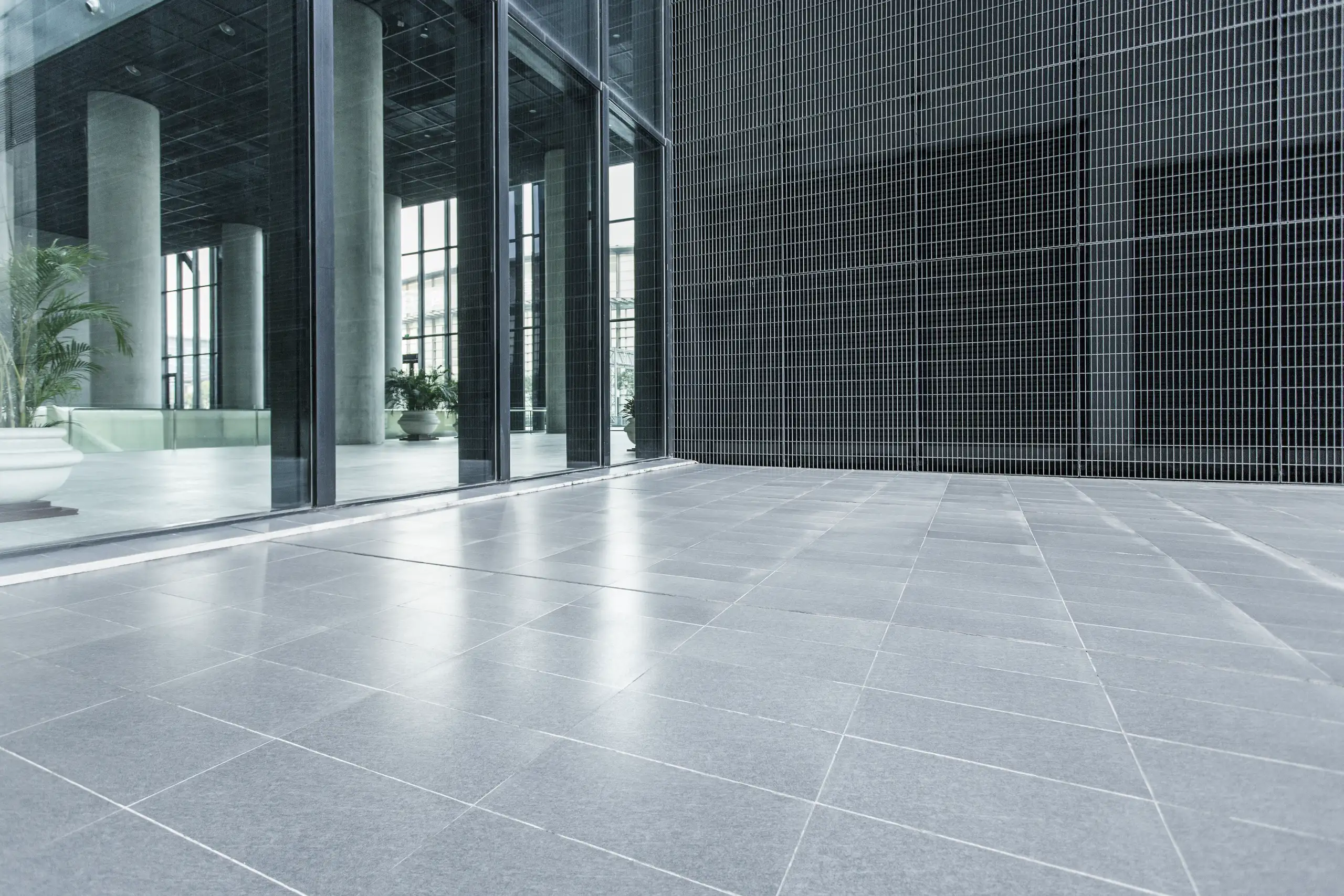
The installation success of any tile project depends heavily on what lies beneath. Different tile flooring types impose fundamentally different demands on their substrate - demands that, when ignored, lead to cracked tiles, failed adhesion, and costly repairs within just a few years.
Substrate Flatness and Moisture Control
Before any tile is laid, the subfloor must be assessed for levelness and moisture content. Heavier materials like natural stone require a far more rigid, perfectly flat base than ceramic. Moisture barriers are non-negotiable in bathrooms and kitchens regardless of the tile choice, though the barrier specification varies by tile density.
Adhesive and Grout Selection
Matching adhesive and grout to the specific tile flooring types in your project is equally critical:
- Porcelain requires a flexible, large-format adhesive to accommodate its low porosity and weight.
- Natural stone demands epoxy-based or specialist grouts that resist staining and chemical damage.
- Ceramic tiles accept standard cement-based adhesives, but grout joint width must reflect the tile's expansion coefficient.
Choosing the wrong combination across different tile flooring types undermines even the most careful installation - making professional assessment essential from day one.
Common Mistakes to Avoid When Selecting Tile Flooring Types
Choosing the wrong tile is one of the most expensive mistakes a homeowner can make during a refurbishment. The biggest pitfall? Falling in love with aesthetics while ignoring durability ratings. Not all tile flooring types carry the same PEI wear rating - a glossy marble-look porcelain that looks stunning in a showroom can scratch beyond recovery within months in a high-traffic hallway.
Appearance Versus Performance Trade-Off
Many clients select tile flooring types based purely on colour and finish, only to discover that a matte, textured surface resists slipping and hides wear far better in kitchens and bathrooms. Always check the slip resistance (R-rating) alongside the aesthetics.
Underestimating Grout Joint Requirements
Grout width isn't cosmetic - it compensates for tile irregularities and thermal expansion. Too-narrow joints on large-format tiles crack under seasonal movement, undermining even the finest installation. Professional assessment of substrate and layout prevents this entirely.
How a Professional Contractor Helps You Choose and Install the Right Tiles
Choosing between tile flooring types is only half the challenge - getting the installation right is where projects succeed or fail. An experienced contractor brings site assessment expertise that identifies subfloor conditions, moisture levels, and structural tolerances before a single tile is laid.
Reading the Space Before Selecting
A professional evaluates your room holistically: usage patterns, traffic volume, natural light, and existing architecture all inform which tile flooring types will perform best long-term. This prevents costly mistakes that arise from selecting materials without understanding the environment they will live in.
Installation Precision That Lasts
Quality-controlled installation covers far more than simply laying tiles:
- Proper substrate preparation ensures tiles bond securely and resist cracking over time.
- Accurate layout planning minimises waste and maximises visual impact across the room.
- Correct grout and waterproofing selection protects against moisture damage in wet areas.
With Smutek Construction LTD's experience across Hammersmith and its surrounding area, clients gain a contractor who understands that tile flooring types differ significantly in handling requirements - matching the right material to the right technique, every time.
Najczęściej zadawane pytania
Why is choosing the correct tile flooring type so important for a renovation project?
Selecting the wrong tile flooring can lead to significant long-term and financial consequences. Poor choices result in uneven wear in high-traffic areas, moisture damage behind walls, and aesthetic mismatches that undermine your entire refurbishment. Replacing incorrectly installed flooring requires expensive additional work such as substrate stripping, waterproofing, and re-tiling, which can cost substantially more than the original installation.
What should homeowners consider beyond appearance when selecting tile flooring?
Experienced contractors evaluate tile flooring based on substrate compatibility, moisture exposure, and long-term durability in addition to aesthetics. Factors such as finish type, tile size, and colour must align with both the room's function and design intent. For example, glossy ceramic tiles are inappropriate for high-traffic hallways as they wear unevenly, while porous natural stone in bathrooms requires proper waterproofing to prevent water damage.
Why do many homeowners choose ceramic tiles for their renovations?
Ceramic tiles stand out as the most budget-friendly tile flooring option without sacrificing versatility. Made from natural clay fired at lower temperatures than porcelain, ceramic tiles offer a wide range of colours, patterns, and sizes. Additionally, their softer composition allows them to be cut cleanly with standard tile tools, reducing both labour time and installation costs, making them an efficient and practical choice for homeowners managing renovation budgets.