


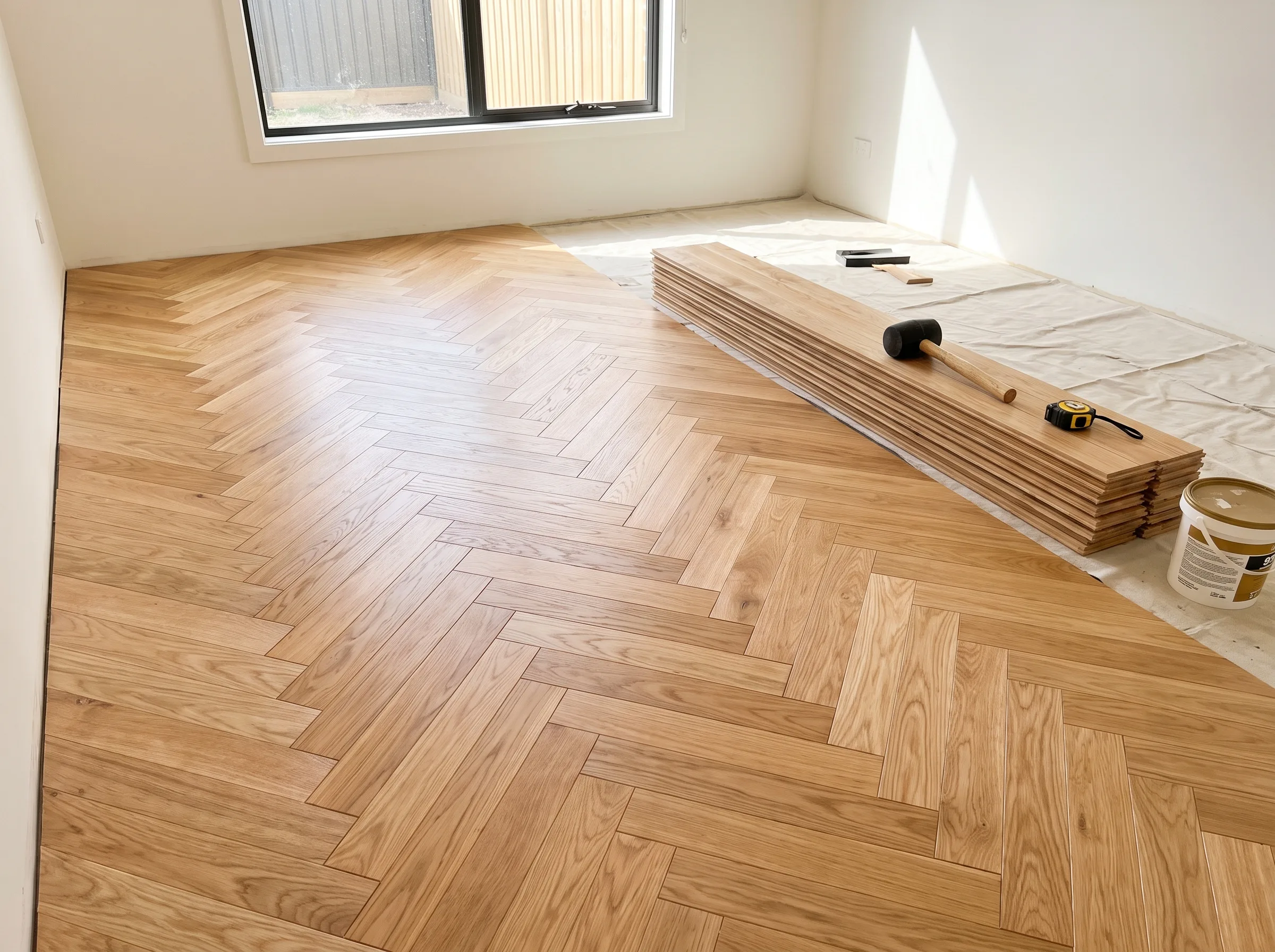
Wood Flooring Installation: Expert Guide
Whether you're renovating a single room or overhauling an entire property, wood flooring installation is one decision that shapes how your home looks and feels for decades. Get it right, and you have a durable, beautiful surface that adds genuine value. Get it wrong, and you're facing costly repairs within a few years.
What This Guide Covers
From subfloor preparation and material selection to laying techniques and final finishing, this guide breaks down every critical stage of wood flooring installation. You'll learn what separates a lasting result from a short-lived one — and what questions to ask before a single board goes down.
Finding a Contractor You Can Trust
Not all flooring work is equal. Smutek Construction LTD, with nine years of experience and a strong track record serving clients across Hammersmith and beyond, shows why wood flooring installation demands both proven skill and careful coordination with other trades on site.
Why Professional Wood Flooring Installation Matters for Your Home
Getting wood flooring installation wrong is far more expensive than getting it right. Poorly laid boards can warp, lift, and crack within months, voiding manufacturer warranties and leaving homeowners facing costly remediation work that dwarfs the original quote.
The Real Cost of Mistakes
Common consequences of rushed or inexperienced fitting include:
- Gapping and buckling caused by inadequate acclimatisation of boards before fitting.
- Subfloor moisture problems that go undetected and destroy the finished surface from below.
- Voided warranties, leaving you fully liable for the cost of complete replacement.
Why Experience Changes Everything
Smutek Construction LTD has spent nine years coordinating wood flooring installation alongside electrical work, heating systems, and structural modifications — the kind of sequencing that prevents problems before they start. A skilled contractor doesn't just lay boards; they assess the subfloor, manage moisture, and deliver a finish built to last.
Types of Wood Flooring: Solid, Engineered, and Parquet Explained
Choosing the right floor starts long before installation day. Each wood flooring type carries distinct advantages — and the wrong match, however beautiful, can become a costly regret. At Smutek Construction LTD, nine years of delivering wood flooring installation across London homes has made one thing clear: product choice shapes every outcome.
Solid, Engineered, or Parquet?
- Solid wood offers unmatched authenticity and can be sanded and refinished multiple times, making it a genuine long-term investment.
- Engineered boards combine a real wood veneer with a stable core, performing reliably in kitchens, extensions, and rooms with underfloor heating.
- Parquet arranges timber blocks or strips into geometric patterns, adding visual depth and enduring character to living spaces.
Matching Product to Space
Selecting the right type is where wood flooring installation planning truly begins. Solid planks suit period properties with stable subfloors; engineered boards handle modern extensions prone to humidity shifts. Parquet remains the standout choice when design impact matters most. Getting this decision right — early — is what separates a lasting result from an expensive future replacement.
Planning Your Wood Flooring Installation: Key Factors to Consider
Every successful wood flooring installation begins long before the first plank hits the floor. Room function matters enormously — a busy hallway demands something fundamentally different from a quiet bedroom. Traffic volume, moisture exposure, and underfloor heating all influence which species, finish, and fitting method will genuinely stand the test of time.
Humidity, Heat, and Traffic
Moisture is wood's natural enemy. Rooms with fluctuating humidity — kitchens, bathrooms, or spaces with underfloor heating — require engineered boards rather than solid timber. High-traffic areas call for harder species and more durable surface finishes that resist daily wear without sacrificing appearance.
Matching Décor and Subfloor Conditions
A well-planned wood flooring installation also accounts for existing décor and subfloor integrity. At Smutek Construction LTD, nine years of experience inform every pre-installation assessment — ensuring the chosen solution integrates seamlessly with the broader refurbishment and performs beautifully for decades.
Subfloor Preparation: The Foundation of Every Successful Wood Flooring Installation
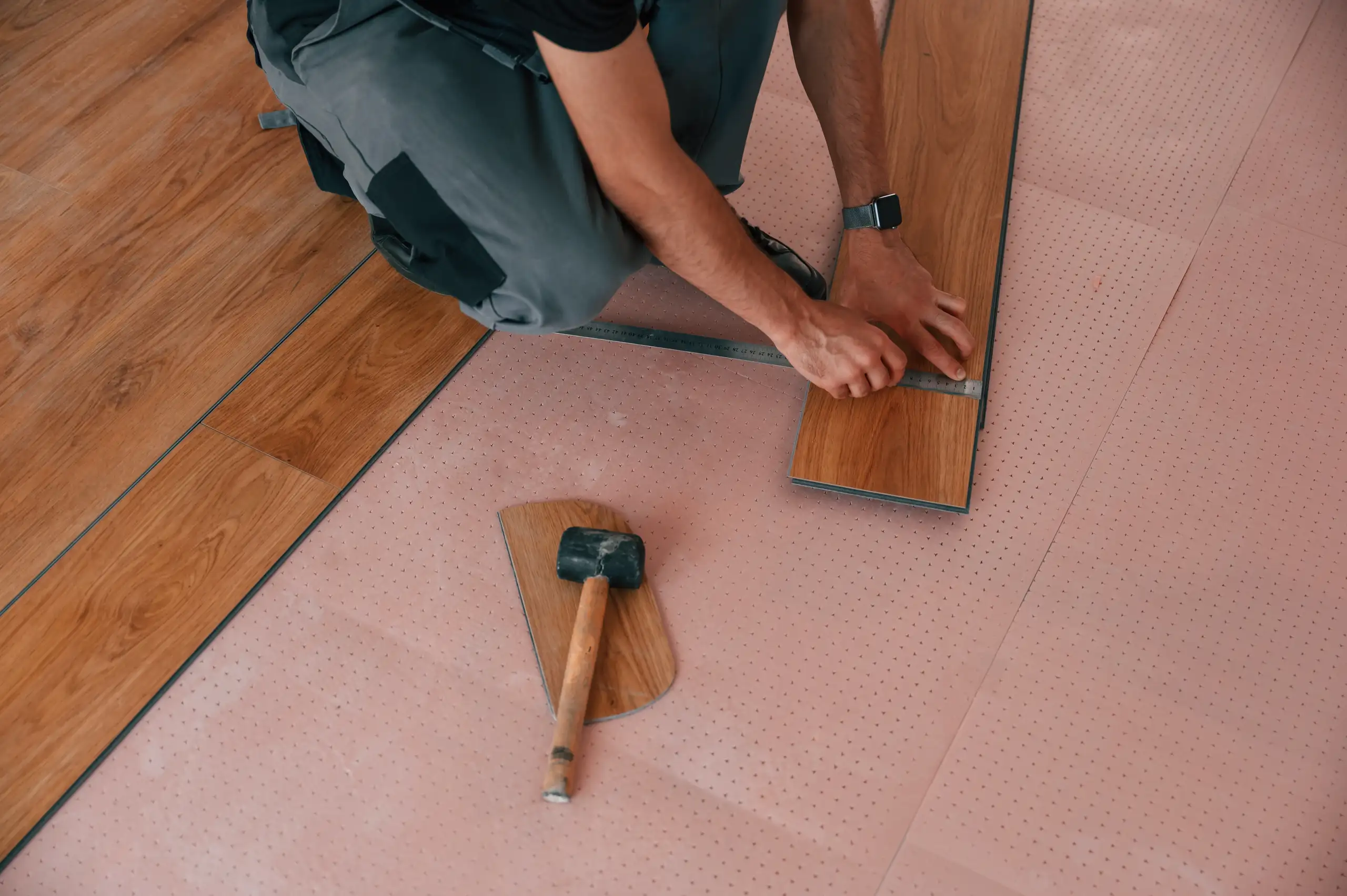
Premium boards mean nothing on a failing base. Before any wood flooring installation begins, Smutek Construction LTD conducts a thorough subfloor assessment — checking moisture levels, structural integrity, and surface levelness. Even minor inconsistencies, if left unaddressed, cause boards to creak, warp, or separate within months.
Moisture and Levelness Checks
Damp subfloors are the silent enemy of wood flooring installation. We use calibrated moisture meters and two-metre straight edges to identify problem areas before a single board is laid. Any reading above the manufacturer's threshold triggers corrective action — no shortcuts taken.
Repair Before You Install
Weak spots, loose boards, or cracked screeds are fixed first. This preparation phase is what separates a lasting finish from a costly failure. At Smutek Construction LTD, subfloor work is never rushed — because the quality of everything above depends entirely on what lies beneath.
Essential Tools and Materials for Wood Flooring Installation
Arriving on-site without the right supplies is one of the most costly mistakes in any wood flooring installation project. Every material and tool must be ready before the first board is laid. At Smutek Construction LTD, nine years of home refurbishment experience have made thorough preparation a strict non-negotiable.
Core Materials You Need
A well-executed wood flooring installation requires:
- Moisture barrier membranes to protect boards from subfloor dampness.
- Adhesives and underlays matched precisely to the board type and subfloor condition.
- Spacers to maintain consistent expansion gaps along every wall.
Cutting and Fitting Tools
Jigsaws, pull saws, and multi-tools allow clean, precise cuts around skirting boards, door frames, and tight corners. Using substandard equipment at this stage of a wood flooring installation leads to rework and a compromised finish. Confirm your toolkit is complete before work begins.
Step-by-Step Wood Flooring Installation Process
A proper wood flooring installation follows a precise sequence — skip a single step, and you risk boards that creak, expand unevenly, or lift within months. At Smutek Construction LTD, every project starts well before the first plank is laid.
Acclimatisation and Subfloor Prep
Boards must acclimatise in the room for 48–72 hours, adjusting to local humidity and temperature. The subfloor is then assessed for levelness, moisture content, and structural stability — any issues resolved before installation begins.
Laying, Fitting, and Finishing
The wood flooring installation process follows a clear order:
- Lay a moisture barrier or underlay suited to the subfloor type.
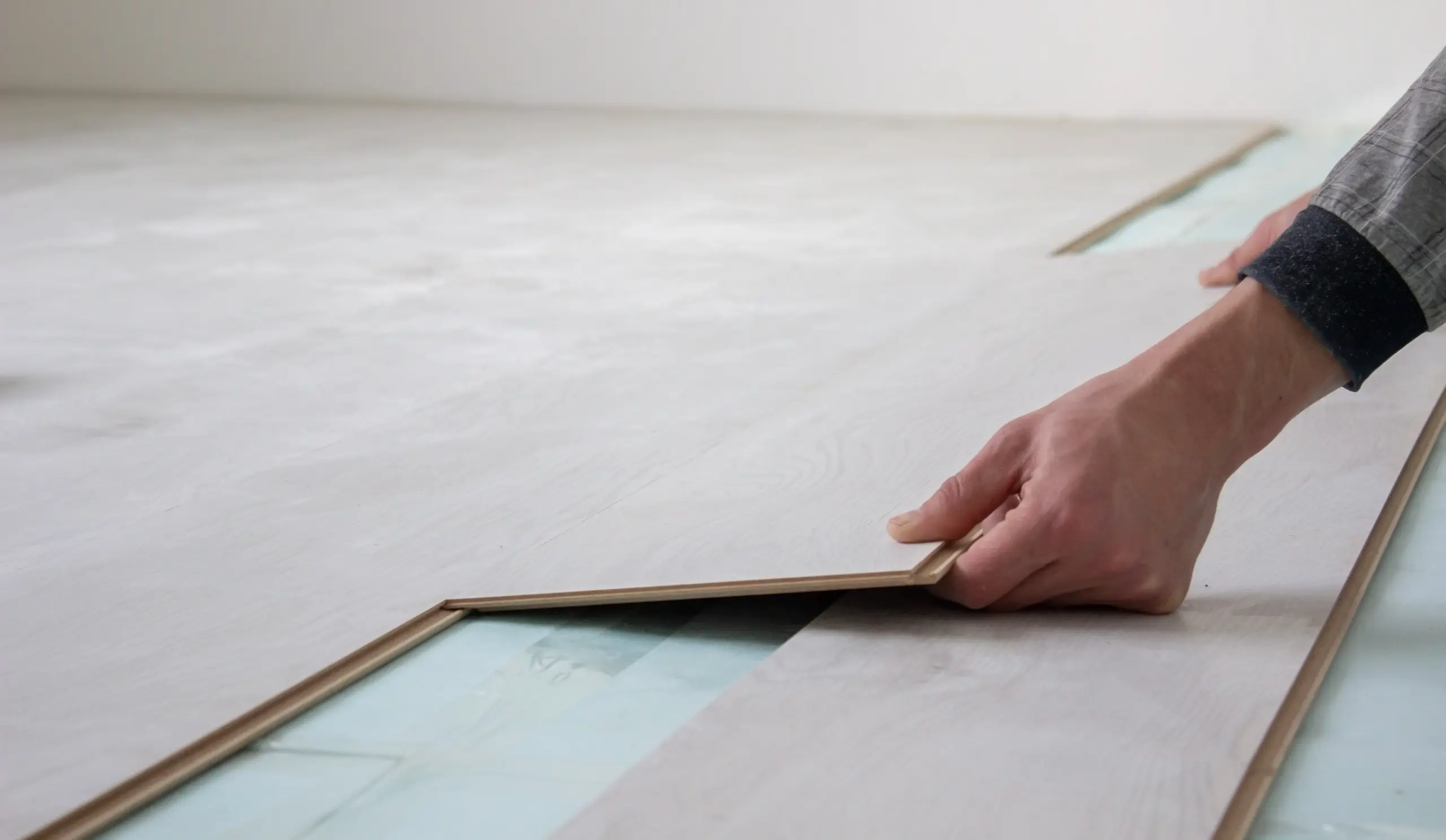
- Install boards using the chosen method — nail-down, glue-down, or floating.
- Cut boards accurately around edges, doorways, and obstacles.
- Sand, fill, and apply protective finishing coats.
Completing wood flooring installation correctly — with proper sanding and sealing — determines how well the floor performs over time.
How Wood Flooring Installation Fits Into a Broader Home Refurbishment
Wood flooring installation is rarely an isolated task. In a full home refurbishment, it sits at the intersection of multiple trades — and getting the sequence wrong can be costly. Electrical first-fix work, underfloor heating systems, and plastering must all be completed and fully dried before a single board goes down.
Sequence Is Everything
Subfloor moisture is a leading cause of floor failure. Underfloor heating needs a proper commissioning period before wood flooring installation begins — typically several heat cycles to stabilise the substrate. Skip this step, and you risk warping, gapping, or worse.
Coordinated Trades, Protected Results
At Smutek Construction LTD, nine years of managing complex refurbishments across the Hammersmith area means every trade is scheduled with precision. Each phase hands over cleanly to the next, so your wood flooring installation is fully protected — from groundwork through to the final finish.
Common Wood Flooring Installation Mistakes and How to Avoid Them
Even a premium timber board will fail if the groundwork is careless. The most costly wood flooring installation errors are rarely about the wood itself — they happen before a single plank is laid.
Mistakes That Ruin Results
The three most damaging oversights are consistent across projects:
- Skipping acclimatisation — boards must adjust to room temperature and humidity for at least 48 hours before fitting.
- Ignoring moisture readings — subfloor moisture above recommended thresholds causes boards to swell, buckle, or separate.
- Neglecting subfloor levelling — even minor undulations telegraph through finished flooring, creating squeaks and structural weak points.
Prevention Starts at Planning
At Smutek Construction LTD, nine years of experience have shown that a properly managed wood flooring installation begins long before installation day. Thorough pre-installation checks, coordinated with heating systems and structural trades, eliminate these issues at source — protecting the investment and ensuring results that last.
Wood Flooring Installation Costs: What Affects the Final Price
The cost of wood flooring installation rarely follows a single fixed formula. Floor area sets the baseline, but species choice, subfloor condition, room complexity, and finish type can each push the final figure noticeably higher — or keep it comfortably within budget.
Key Factors Behind the Price
- Floor area determines material and labour volume directly.
- Exotic or engineered species cost considerably more than standard oak or pine.
- Poor subfloor condition requires preparation work before any boards go down.
- Complex layouts with alcoves or irregular angles increase cutting time and waste.
- Finish type — oiled, lacquered, or raw — affects both material cost and drying schedules.
Why a Site Survey Matters
At Smutek Construction LTD, every wood flooring installation begins with a thorough on-site assessment. Nine years of experience across home refurbishments within fifty kilometres of Hammersmith have shown that no two floors are identical — and no accurate quote exists without seeing the actual space first.
How to Choose the Right Contractor for Your Wood Flooring Installation
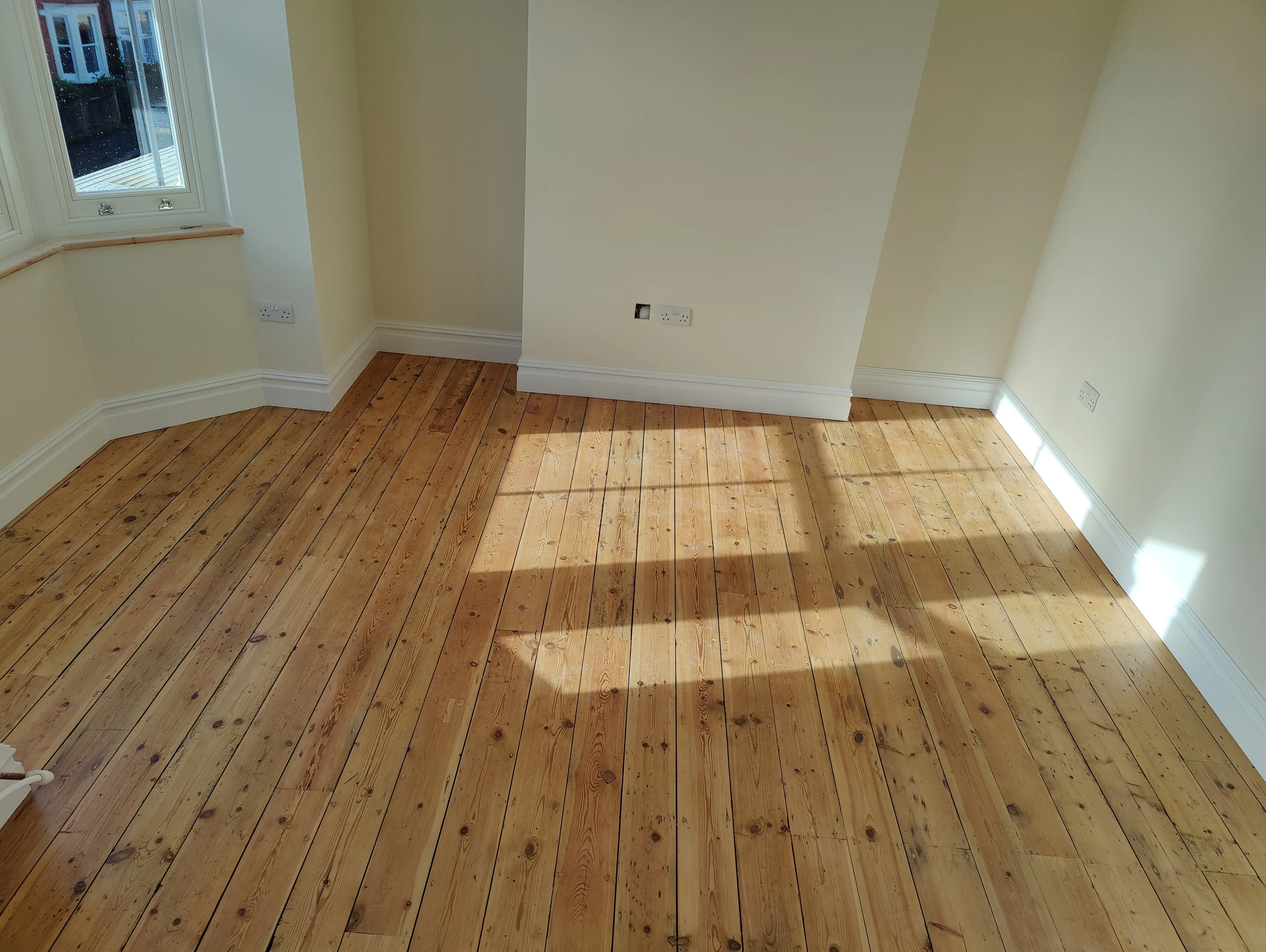
Not every tradesperson who picks up a nail gun qualifies for the job. A skilled contractor brings verifiable experience, a transparent pricing structure, and a portfolio of completed wood flooring installation projects you can actually review — not just promises.
Check Experience and Coordination
Look for a contractor who doesn't treat flooring as an isolated task. Wood flooring installation succeeds when it's coordinated with heating systems, electrical work, and other trades already on site. Smutek Construction LTD, operating across a fifty-kilometre radius of Hammersmith since 2017, handles exactly this kind of integrated approach within full home refurbishments.
Communication Is Non-Negotiable
Ask direct questions about timelines, subfloor preparation, and material sourcing. A contractor worth hiring answers clearly and commits to specifics — not vague estimates.
Caring for Your Floor After Installation to Ensure Lasting Results
The quality of a wood flooring installation does not end when the final board is laid — lasting results depend equally on the care routine you build from day one. Manufacturer-approved cleaning products protect the finish without causing premature wear, and addressing spills immediately prevents moisture from warping the boards.
Simple Daily Maintenance Tips
- Sweep or vacuum regularly to remove abrasive grit that damages the surface over time.
- Use a well-wrung damp mop with a pH-neutral, floor-specific cleaner for deeper cleans.
- Place protective pads under furniture legs to prevent indentation and scratching.
Why Professional Inspections Matter
Every wood flooring installation benefits from periodic professional review. Smutek Construction LTD, with nine years of experience in comprehensive home refurbishments, can identify early signs of wear — whether the floor needs re-oiling, resealing, or minor repairs — before small issues become costly problems. This proactive approach keeps your floor looking exceptional for decades.
Najczęściej zadawane pytania
What are the consequences of improper wood flooring installation?
Poor wood flooring installation can lead to gapping and buckling caused by inadequate acclimatisation of boards, subfloor moisture problems that damage the finished surface from below, and voided warranties. These issues can develop within months and result in costly replacement work that far exceeds the original installation cost.
What are the three main types of wood flooring available?
There are three primary types of wood flooring. Solid wood offers authenticity and can be sanded and refinished multiple times, making it a genuine long-term investment. Engineered boards combine a real wood veneer with a stable core and perform reliably in kitchens, extensions, and rooms with underfloor heating. Parquet arranges timber blocks or strips into geometric patterns, adding visual depth and enduring character to living spaces.
Why is it important to hire an experienced wood flooring contractor?
An experienced contractor brings comprehensive expertise beyond simply laying boards. They assess the subfloor, manage moisture levels, and coordinate wood flooring installation with other trades such as electrical work, heating systems, and structural modifications. This careful sequencing prevents problems before they occur and ensures a durable, lasting finish that maintains manufacturer warranties.